



The UK’s immigration policy overhaul under Prime Minister Keir Starmer has created a seismic divide in real estate markets. While political volatility and stricter labor controls threaten London’s luxury housing boom, regions like the Midlands and North of England are emerging as contrarian bets. Let’s unpack the risks and opportunities—and where to plant your money.
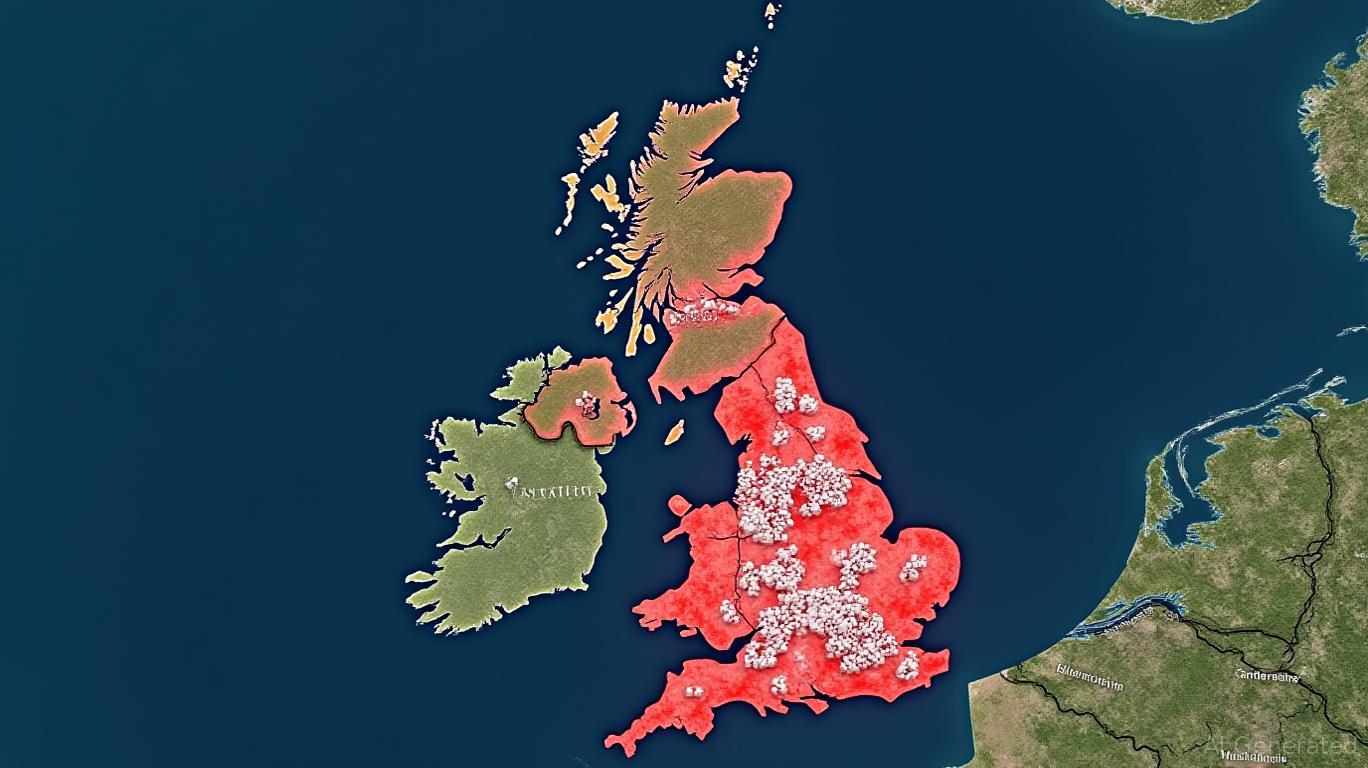
The Policy Tightrope: Starmer’s Immigration Backlash
Starmer’s Labour government has doubled the residency period for permanent settlement from five to ten years, banned overseas recruitment of care workers, and imposed stricter English language requirements. These moves aim to slash net migration from a staggering 728,000 in 2024 to under 500,000 by 2029. The backlash is fierce: Labour’s left wing accuses Starmer of mimicking far-right rhetoric, while sectors like construction warn of impending labor shortages.
This tension creates a policy softening opportunity. If Starmer backtracks to protect key industries, it could unlock pent-up demand in regions dependent on migrant labor. Consider the potential for growth in Birmingham’s construction boom or Manchester’s thriving tech hubs if the immigration policies are relaxed.
Regional Markets: The Underappreciated Comeback
Midlands/North:
- Construction Labor Crunch: The end of overseas worker recruitment has already caused delays in housing projects. If Starmer indicates a relaxation of restrictions for critical sectors, like construction—hinted at in recent negotiations with unions—this could lead to a building boom.
- Affordable Housing Demand: The Midlands and North face a chronic undersupply of affordable housing. A 2025 report by the Joseph Rowntree Foundation highlights that 1.2 million households in the North lack access to affordable housing—an opportunity that could be filled by easing immigration policies.
London:
- Luxury Market Woes: Political instability and global wealth uncertainty are hitting prime central London. A recent Knight Frank report indicates a 15% decline in ultra-luxury sales since Starmer’s restrictive policies began.
- Overvalued Tech Hubs: While London’s tech scene is booming, its housing costs have become unsustainable without foreign buyer demand. A 2025 UCL study warns that 40% of tech workers in London can’t afford local rents—a situation likely to worsen if immigration remains tight.
Investment Playbook: Go Contrarian, Stay Regional
Overweight:
- Midlands/North Real Estate Funds: Consider investing in closed-end funds like Midlands Property Trust or Northern Housing PLC, which focus on affordable rental and mixed-use developments. Both segments stand to benefit from any potential policy easing and regional economic growth.
- Construction Materials Stocks: Firms such as CRH (Ireland-based but with UK exposure) and Tarmac could see a significant rebound if labor restrictions are relaxed.
Underweight:
- London Luxury Property: It’s wise to avoid prime central London buy-to-let opportunities, as recent analyses suggest that properties are overvalued by as much as 30% based on rental yield ratios.
- Tech Hub Overvaluations: Exercise caution in overpaying for office spaces in trendy areas like Shoreditch or King’s Cross unless clear signs indicate a return of global capital inflows.
The Wildcard: Political Volatility
Starmer’s Labour government faces a precarious dilemma: they must balance appeasing far-right Reform UK voters with stringent immigration policies while also addressing the potential for labor shortages in crucial sectors like construction and healthcare. A compromise—such as fast-tracking visas for critical trades—could yield significant financial gains. It’s essential for investors to monitor these developments closely, both in immigration policy reviews and regional labor market data.
Final Verdict
The real estate market across the UK showcases a chessboard of contrasts. While it may be prudent to play defense in London’s luxury sector, the true potential lies in betting big on the Midlands and North—where shifts in policy could transform dire housing shortages into rewarding investment opportunities.

Action Plan:
- Buy: Regional REITs with a focus on affordable housing.
- Sell: London luxury condos or prime office spaces.
- Watch: Immigration policy developments and regional labor market data.
This dynamic landscape is a race between politics and pragmatism—the regions are where the finish line lies.