



Navigating U.S. Border Scrutiny: What You Need to Know
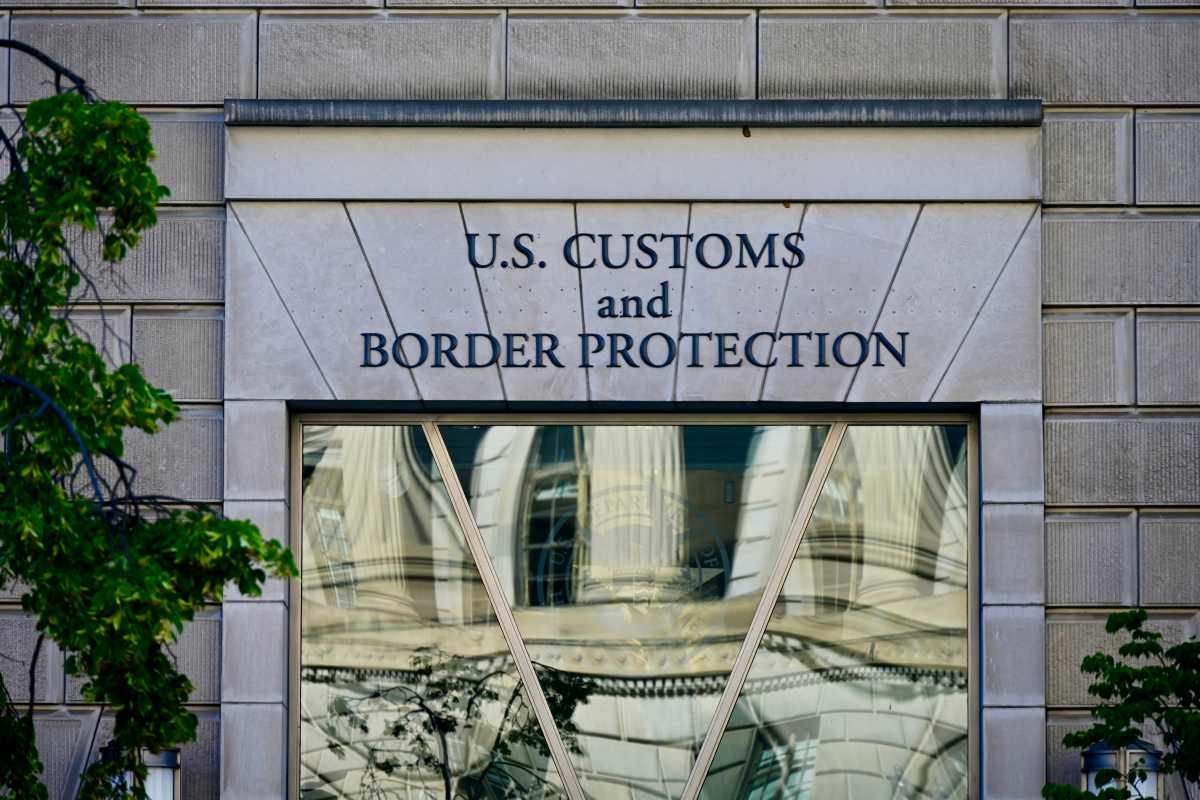
U.S. Customs and Border Protection Headquarters building in downtown Washington, DC.
John M. Chase / Getty Images
The New Landscape of U.S. Travel
With heightened border scrutiny in recent years, many travelers, particularly foreign nationals, are increasingly anxious about re-entering the United States. As policies shift, recent inquiries to immigration law firms have spiked—especially with announcements of new travel bans. It’s crucial for travelers to understand the current climate and recognize factors that could trigger increased scrutiny upon arrival.
Factors Leading to Heightened Scrutiny
Several key risk factors may lead to detailed questioning or delays at U.S. ports of entry. Understanding these can help you prepare for your journey:
- Criminal History or Prior Arrests: Any past legal issues can significantly impact travel plans.
- Previous Visa or Immigration Violations: A record of past violations could evoke more scrutiny.
- Social Media Activity: Public statements or posts that are critical of U.S. policies may also raise flags.
Travelers should be aware that upon entry, they might face not only thorough questioning but also inspections of their electronic devices.
Presidential Actions and Travel Restrictions
On June 4, 2025, President Trump issued a proclamation aimed at restricting the entry of foreign nationals to protect U.S. national security. The proclamation went into effect on June 9, 2025, and fully suspends entry from several countries, including Afghanistan, Iran, and Libya.
It also partially restricts immigrant visas for specific classifications from countries like Burundi and Venezuela. While some exemptions exist, travelers from these regions must tread carefully.
Best Practices for Reentry to the U.S.
When approaching border control, keeping a cool head is key. Here are the best practices to ensure a smoother reentry:
-
Answer Only What’s Asked: Provide concise, truthful responses to questions from U.S. Customs and Border Protection (CBP). Avoid volunteering additional information.
-
Provide Only Requested Documents: Keep your latest paperwork, such as the I-797 notice, handy but stick to showing what is asked.
-
Stay Calm and Honest: Even if you’re nervous, maintain honesty. Misrepresenting facts or guessing could have severe consequences.
- Review Your Devices: CBP may examine your mobile phones or laptops. Be aware of content that might be interpreted differently than intended.
Common Questions Regarding Travel
Traveling with a green card or visa can spark a lot of queries. Here are a few frequently asked questions along with their answers:
Q: I’m a green card holder with no criminal record. Can I travel and return?
A: Yes! Just ensure you travel with your green card (or a valid I-551 stamp) and your passport. Keep trips under six months to maintain residency.
Q: What if I have a criminal history?
A: You can still reenter, but significant convictions (especially aggravated felonies) could lead to deportation proceedings. It’s advisable to carry documentation proving any charges were dismissed.
Q: Can I return with a valid multiple-entry nonimmigrant visa?
A: Absolutely, as long as you resume the same activities tied to your visa classification and haven’t overstayed your I-94 date.
Q: If I’ve applied for a green card (Form I-485), can I travel?
A: Only with an approved Advance Parole document. Traveling without it may jeopardize your application.
Q: Does Advance Parole guarantee reentry?
A: No, it does not eliminate the grounds for inadmissibility. Individuals with any criminal history should consult a lawyer beforehand.
Understanding Your Rights at the Border
Q: Can border officers ask about my immigration status?
- Citizens: Must confirm identity and citizenship only.
- Green Card Holders: Need proof of identity and status.
- Non-citizens: Subject to more in-depth questioning.
Q: Can officers inquire about religion or political views?
These topics are safeguarded under the First Amendment.
- Citizens: Can decline to answer.
- Green Card Holders: Have similar rights but should be cautious.
- Non-citizens: May also decline, but it could lead to delays.
Q: Can Green Card Holders Be Denied Reentry?
Yes, under circumstances such as:
- Absences exceeding 180 days
- Criminal convictions
- Engaging in illegal activities abroad
Political expressions made online or at events can also bring about scrutiny.
Border Searches and Your Devices
Q: Can CBP search your electronic devices?
Yes, CBP has the right to inspect and even copy contents from your devices without any prior suspicion.
- Citizens and Green Card Holders: Cannot be denied entry but may experience delays.
- Non-citizens: Refusing searches can lead to denial of entry.
Best Practice: If you have to input passwords or provide access, do it yourself rather than sharing credentials.
Seeking Personalized Assistance
Navigating the complexities of U.S. immigration laws can be daunting. This guide provides an overview, but individual circumstances may require tailored advice or legal counsel. If you’re in a complex situation or are unsure, consulting an experienced immigration attorney can be essential for clarity and support.
L.D. D’Arrigo is the leader of Harris Beach Murtha’s Immigration Practice Group.

