



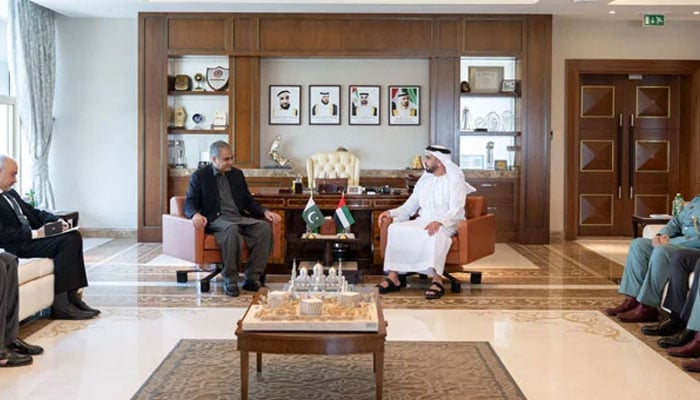
The diplomatic ties between Pakistan and the United Arab Emirates (UAE) have seen a significant strengthening in recent discussions, particularly focusing on visa-related concerns and enhanced cooperation across various sectors. The recent meeting between Pakistan’s Interior Minister, Mohsin Naqvi, and UAE’s Deputy Prime Minister and Minister of Interior, Lt General Sheikh Saif bin Zayed Al Nahyan, set the stage for a shared commitment to resolve pressing issues affecting Pakistani citizens in the UAE.
During his official visit on July 11, 2025, Naqvi was greeted with a guard of honour, reflecting the importance placed on this meeting by the UAE government. The warm reception at the UAE Ministry of Interior underscored the historic friendship between the two nations and provided a conducive backdrop for discussions on collaboration in critical areas like security, counter-narcotics, and immigration.
One of the pivotal topics addressed was the easing of visa restrictions faced by Pakistani nationals, particularly regarding work permits. Naqvi highlighted the significance of these concerns, stating, “We want Pakistani citizens to come to the UAE with ease. Relaxation in visa policies will bring great relief.” This sentiment was echoed by Sheikh Saif, who assured Naqvi of comprehensive support in addressing these issues. Such commitments reflect a mutual understanding of the socio-economic benefits that stem from facilitating smoother movement of professionals and workers between the two countries.
The discussions extended beyond visa policies, as both leaders emphasized the necessity of boosting cooperation in security matters, specifically in combating drug trafficking and illegal immigration. These issues are pressing not only for Pakistan and the UAE but also for the broader region, marking the meeting as a step towards collective security measures that can be employed to ensure both nations’ safety.
In addition to the discussions, Naqvi took the opportunity to visit the Abu Dhabi Police’s modern policing and operations center. Here, he was introduced to innovative surveillance and crime-prevention systems, which have become essential tools in contemporary policing. The advancements showcased at the center piqued Naqvi’s interest, and he expressed a desire to implement similar technologies in Pakistan, thereby enhancing the country’s own law enforcement capabilities.
Throughout the meeting and its discussions, Naqvi reaffirmed that the UAE-Pakistan relationship is a national asset. His remarks reflect an understanding that fostering stronger ties can lead to mutual benefits, not just in security but also in various public welfare initiatives that can uplift communities in both nations.