



Keystone
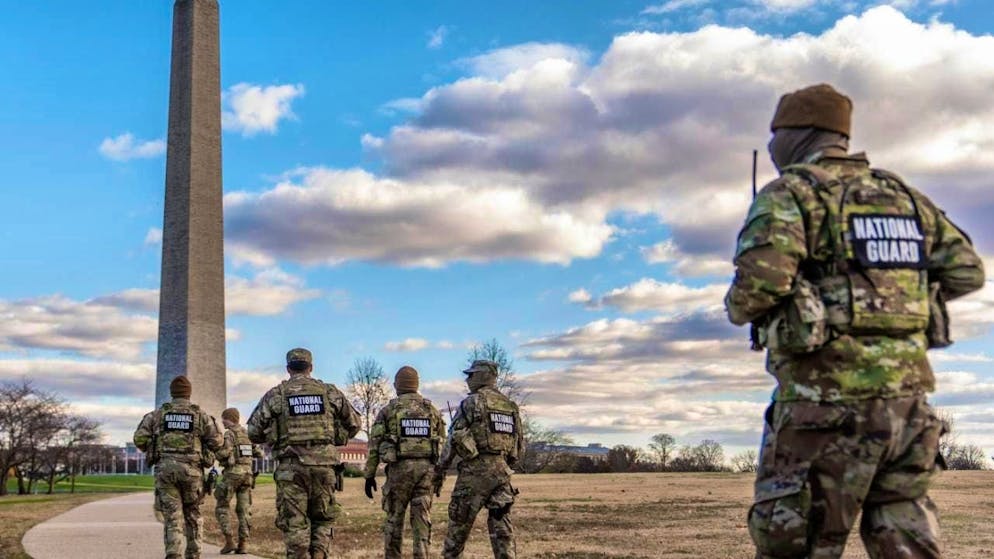
In the wake of a tragic shooting incident involving two National Guardsmen in Washington, significant changes have occurred in immigration policy. The head of the US Citizenship and Immigration Services (USCIS), Joseph Edlow, announced a temporary suspension of all asylum decisions aimed at ensuring rigorous vetting of foreigners entering the country.
The Immediate Aftermath of the Shooting
The violent incident unfolded just blocks from the White House, where both guardsmen were shot. One tragically lost her life while the other remains hospitalized in critical condition. The alleged shooter, an Afghan national who entered the U.S. in 2021, has been apprehended, though the motive behind the shooting remains unclear.
As news of the incident spread, President Donald Trump quickly condemned the attack and subsequently employed it to push for stricter immigration rules, labeling refugees as a source of social issues within the United States. This sentiment underscored a broader narrative that often emerges in discussions about immigration in the volatile political landscape.
Trump’s Stance on Immigration
In a bold statement on his platform Truth Social, President Trump declared a comprehensive ban on the admission of people from “third world countries.” Specific countries were not identified, leading to questions about how such a ban would be implemented practically. This move raises complex issues about which nations fall into this category and the criteria used to determine them.
In connection with this declaration, Trump instructed immigration authorities to review all green cards issued to individuals from “problematic countries.” A green card permits foreign nationals to live and work in the United States permanently, and according to sources, this review will extend beyond Afghan nationals to encompass residents from countries like Iran, Libya, Somalia, Yemen, Cuba, and Venezuela.
Reactions from Human Rights Activists
In light of the shooting and the subsequent policy announcements, human rights activists have joined voices in warning against the political exploitation of this tragic event. They argue that broad strokes penalizing entire groups based on the actions of an individual undermine the principles of justice and due process, highlighting a growing concern about racial and ethnic profiling in immigration policy.
Activists emphasize the importance of understanding the nuanced realities of immigrants’ lives and experiences, which are far more complex than the often-simplistic narratives propagated in political rhetoric. The call is not just for recognition but for a humane approach to policies that impact vulnerable populations.
Looking Ahead: The Broader Implications
The immediate suspension of asylum decisions and additional scrutiny of green card holders signals a profound shift in U.S. immigration policy. As these events unfold, they could lead to a significant chilling effect on those seeking refuge and a heightened atmosphere of fear surrounding immigration, at a time when many people are already in dire need of protection and assistance.
Whether these policy changes will have the intended impact of enhancing national security or serve to further marginalize already vulnerable populations remains to be seen. The ongoing dialogue between political figures, immigration authorities, and human rights advocates will be crucial in shaping the future landscape of immigration in the United States.